Why Is My Basement Damp If I Don't See Any Leaks?
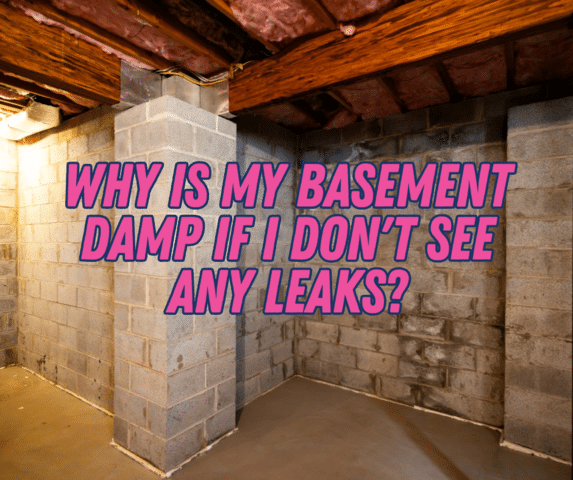
A basement does not need to have visible leaks or standing water to have a moisture problem. In fact, many homeowners notice signs of dampness long before they ever see water collecting on the floor. A musty smell, humid air, condensation on surfaces, or a general feeling of dampness can all indicate that excess moisture is present. Even if your basement appears dry, moisture may still be entering through the foundation, rising from the ground beneath the home, or accumulating in the air. Understanding where this moisture comes from is an important first step toward creating a healthier and more comfortable basement environment.
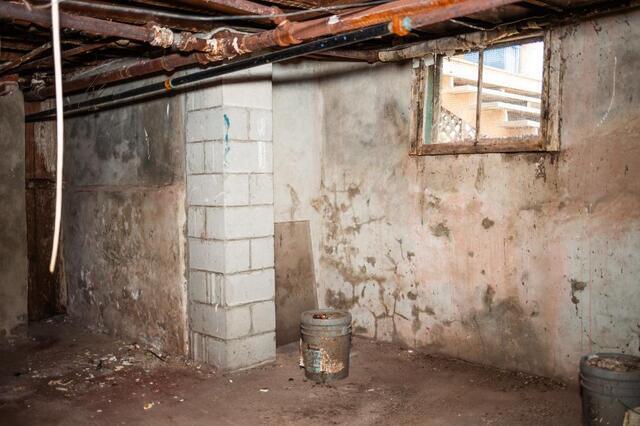
One common source of basement dampness is moisture vapor passing through concrete and masonry. Concrete may look solid, but it is naturally porous, which means it can allow moisture to move through it. Ground moisture surrounding the foundation can gradually pass through basement walls and floors as vapor. This process does not always result in visible leaks or puddles. Instead, it can leave surfaces feeling damp, contribute to musty odors, and increase the overall moisture level inside the basement. This is especially common in unfinished basements where concrete walls and floors are exposed. Humidity is another major reason a basement can feel damp without having an obvious water problem. Warm, humid air can enter through windows, doors, and other openings, while cooler basement surfaces create conditions where moisture in the air can condense. This condensation may appear on pipes, windows, walls, or other cool surfaces. Even when condensation is not immediately visible, high humidity can make the basement feel clammy and uncomfortable. Over time, consistently elevated humidity can also contribute to musty odors and create conditions that encourage mold growth.
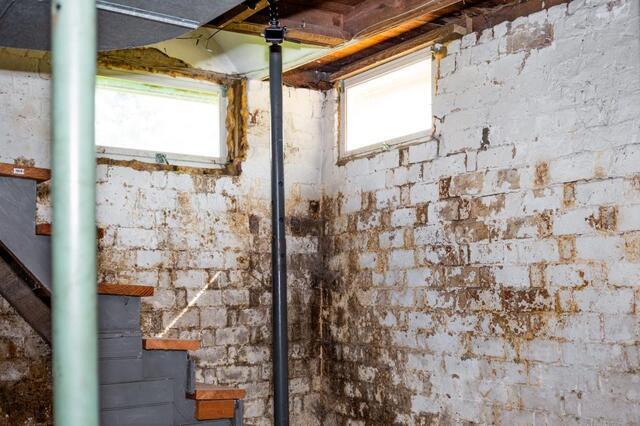
Poor drainage around the home can also contribute to basement moisture. When rainwater collects near the foundation instead of draining away, the surrounding soil can become saturated. This increases the amount of moisture against the foundation walls and can place additional pressure on the structure. Water may eventually find its way through small openings, cracks, or the joint where the basement floor meets the foundation wall. Sometimes this happens only during heavy rainfall, making the problem easy to overlook during drier weather. Gutters, downspouts, and proper grading all play an important role in directing rainwater away from the home and reducing unnecessary moisture around the foundation. Another reason dampness can go unnoticed is that moisture does not always enter the basement in the form of liquid water. A basement may have no active leaks but still experience elevated humidity due to moisture vapor entering through the foundation or from exposed soil in an unsealed crawl space. This is why identifying the source of the moisture matters. Simply wiping down damp surfaces or using a household fan may provide temporary relief, but it will not address the underlying conditions causing the problem.
The right solution depends on where the moisture is coming from. If groundwater is entering along the basement floor and foundation wall joint, an interior drainage system such as WaterGuard can collect that water and direct it toward a sump pump for removal. If moisture is passing through foundation wall surfaces, a vapor barrier such as CleanSpace can help limit moisture vapor from entering the basement. When excess humidity is the primary concern, a dedicated dehumidifier such as the SaniDry Sedona can help remove moisture from the air and maintain more controlled humidity levels. These systems address different aspects of basement moisture management, which is why a proper evaluation is important before deciding what a home needs. Homeowners should also pay attention to changes in the basement, even when there are no obvious leaks. A persistent musty smell, condensation, peeling paint, damp belongings, or recurring mold growth can all be signs that moisture is present. It is also worth checking the basement after heavy rainfall to see whether certain areas feel wetter or show signs of water intrusion. Catching these warning signs early can help prevent moisture concerns from becoming more significant problems.
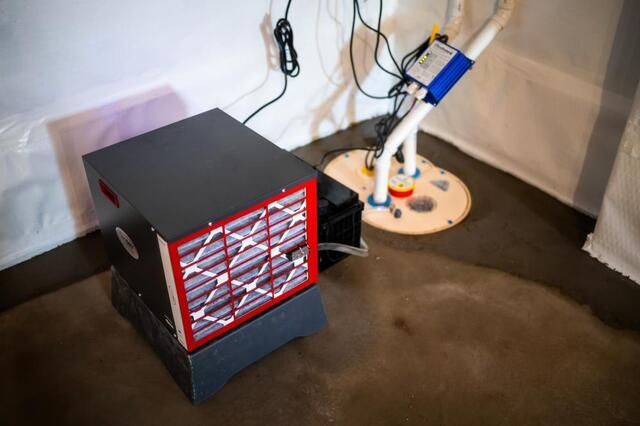
A damp basement should not be ignored simply because there is no standing water. Moisture can enter a home in several different ways, and not every problem is immediately visible. At Quality 1st Basement Systems, our team understands that effective basement moisture control starts with identifying the source of the problem. Whether a home needs improved drainage, a vapor barrier, humidity control, or a combination of solutions, addressing the underlying moisture conditions can help create a drier, more comfortable space.