How We Stabilized a Home With Push Piers in Pottstown, PA
 Pottstown, PA - Image 1" width="464" height="389">
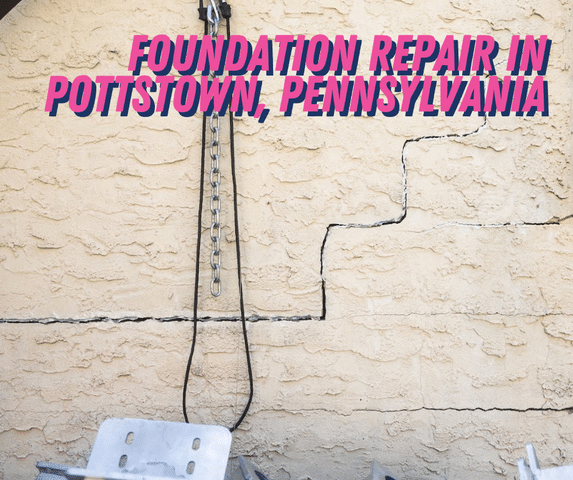
Foundation problems do not always begin with an obvious structural issue. Sometimes, the first signs are changes a homeowner notices inside the house, such as uneven floors, cracks around windows and doors, or cracking across a lower-level floor. When several of these symptoms appear together, it can be important to determine whether movement beneath the home is contributing to the problem. That was the situation for a homeowner in Pottstown, PA. The home is a split-level structure built on a slab foundation, and the homeowner was dealing with uneven floors along with cracking around windows and doors. The lower level also had cracking across the floor. Our team at Quality 1st evaluated the property and developed a foundation repair solution using Push Piers.
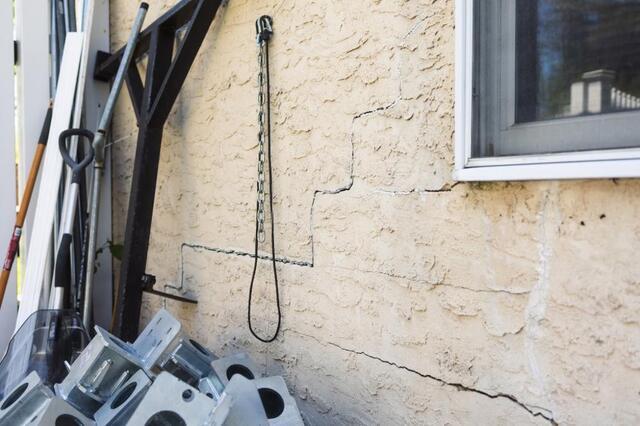
A foundation depends on the soil beneath it for support. If the supporting soil cannot adequately carry the weight of the structure, portions of the foundation can settle or move. The resulting changes may become visible inside the home. Uneven floors can be one indication that portions of a structure have moved. Cracks around windows and doors can also become noticeable as the surrounding structure shifts. Floor cracks on a lower level can be another visible sign that something has changed beneath the structure. These symptoms do not automatically mean that a home has a major structural problem, which is why a professional evaluation is important. The location, pattern, and progression of cracks and other changes all provide useful information when determining what type of foundation repair may be appropriate.
Why Push Piers?
Push Piers are designed to provide deeper support beneath a structure. Instead of relying solely on the soil immediately beneath the foundation, the steel piers are installed through the soil until they reach suitable supporting material or load-bearing strata. Once the piers are installed, they create a structural support point beneath the affected area. The home's load can then be transferred through the pier system to deeper supporting material. This approach can be particularly useful when settlement is related to weaker or unstable soil near the surface. Rather than simply repairing the cracks that are visible inside the home, Push Piers address the support beneath the structure.
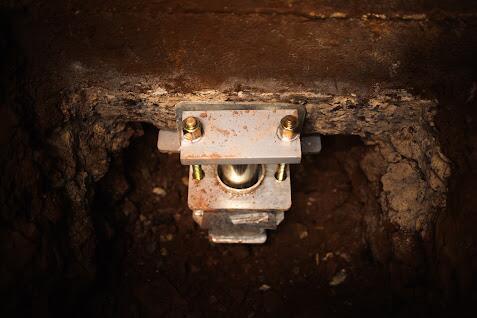
Installing the Foundation Support System
For this Pottstown project, Foreman Faustino led the installation with System Design Specialist John overseeing the project design. The team installed Push Piers beneath the affected portion of the home to create additional structural support. The exact installation process can vary depending on the home's foundation, site conditions, and the locations requiring support. In general, the piers are positioned beneath the appropriate foundation areas and advanced through the supporting soil until suitable resistance is reached. The system is then connected to the structure so the load can be transferred through the new support system. The goal is to establish a more dependable support path beneath the home and help stabilize areas affected by settlement.
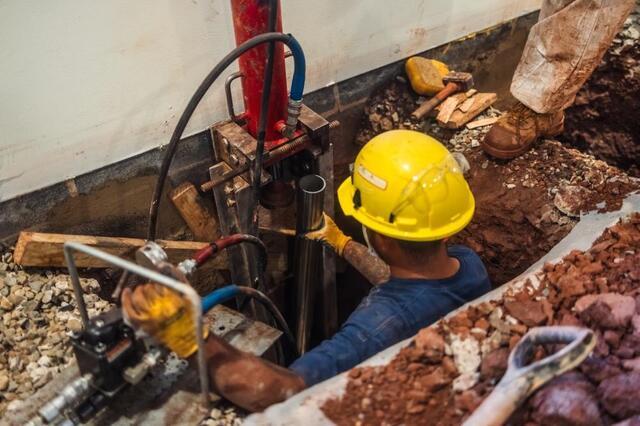
Looking Beyond the Cracks
One of the most important things to understand about foundation repair is that a crack is often a symptom rather than the entire problem. Filling a crack may improve its appearance, but if movement beneath the structure is contributing to the cracking, the underlying condition may still need to be addressed. That is why foundation repair systems such as Push Piers focus on structural support. By creating a deeper support point beneath the affected portion of a home, the system is designed to address the conditions contributing to settlement. For this Pottstown, PA homeowner, the completed Push Pier system provides a dedicated foundation support solution beneath the split-level home. The project addressed the underlying support concern while giving the homeowner a better understanding of what was happening beneath their home.