The Nor'easter Has Passed. What Should Homeowners Check Around Their Home?
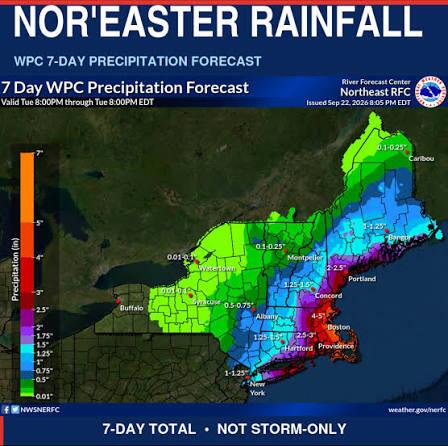
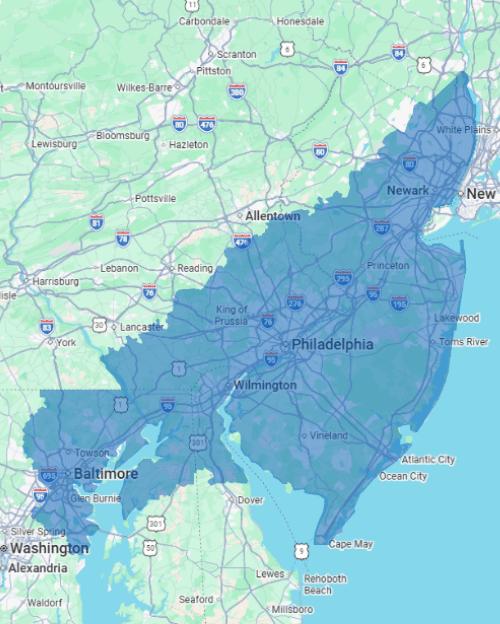
After a long, wet and windy weekend across New Jersey, Pennsylvania, Delaware, and the surrounding areas, Monday is finally bringing a chance to assess what the latest storm may have left behind. This unusually early September nor’easter brought heavy rain, strong winds, coastal flooding, high tides, and significant flooding concerns throughout the region. While the worst of the weather is moving out, the effects of a storm do not always end when the rain stops. For homeowners, today is a good time to take a walk around the property and check the areas that may have been exposed to water. Even if you did not see obvious flooding inside your home, heavy rainfall can reveal drainage problems, overwhelmed gutters, foundation vulnerabilities, and moisture issues that may have gone unnoticed during normal weather.
Check Your Basement for Signs of Water
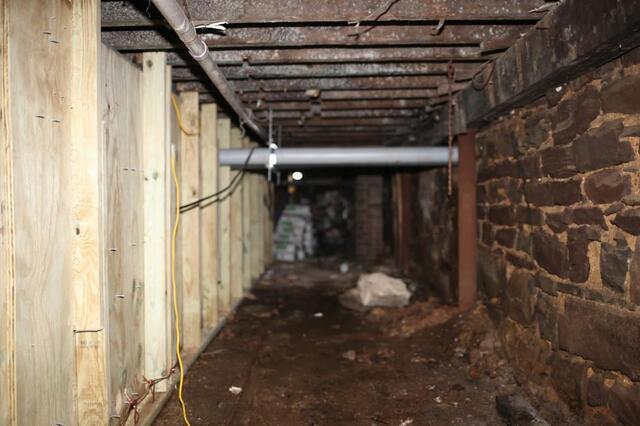
One of the first places to look after a major rainstorm is the basement. Walk around the perimeter of the space and check for damp spots, puddles, water stains, or new signs of moisture along the foundation walls and floor. Pay particular attention to areas around basement windows, doors, floor-wall joints, and existing cracks. Water does not always enter through one obvious opening. It can travel through cracks, joints, or other vulnerable areas before eventually appearing somewhere else in the basement. If your basement stayed dry, that is a good sign, but it is still worth checking your waterproofing and sump pump system after a storm that produced prolonged rainfall.
Make Sure Your Sump Pump Is Ready for the Next Storm
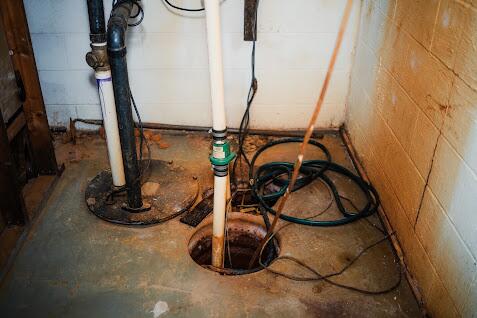
A sump pump can be one of the most important pieces of equipment protecting a basement during periods of heavy rain. After a major storm, homeowners should make sure the pump is operating properly and that water is being discharged away from the foundation. If you have a sump pump, check that the system is running when water enters the sump pit and that the discharge line is clear. Homeowners with battery backup systems should also make sure the backup is ready in case of another storm or a power outage. This is especially important after a weekend like this one. A sump pump that has been sitting quietly for months can suddenly be asked to handle a significant amount of water.
Look at Your Gutters and Downspouts
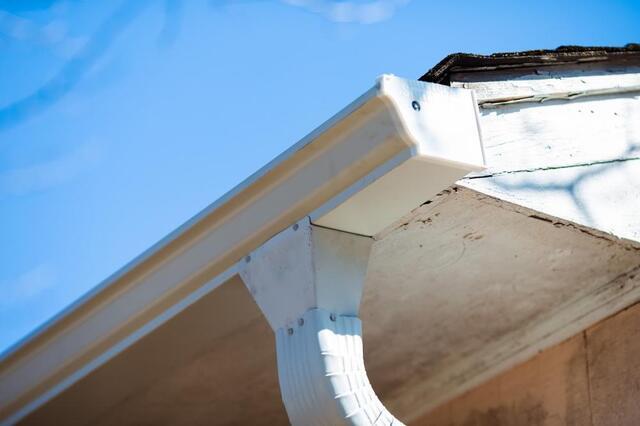
Heavy rain can quickly expose problems with a home's exterior drainage system. Check your gutters for leaves, branches, or other debris and make sure water can move freely through the downspouts. Look at where the downspouts discharge as well. Water should be directed away from the foundation rather than allowed to collect directly beside the home. If you notice standing water near the foundation after the storm, it may be worth paying attention to how water is moving around the property.
Check Crawl Spaces for Moisture
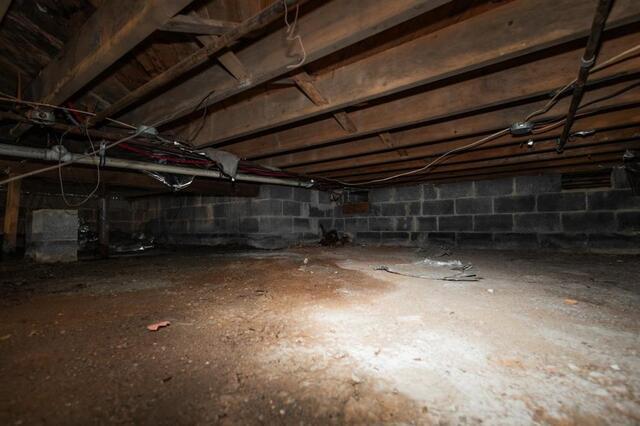
Homeowners with crawl spaces should not forget to look below the house after a major rain event. Crawl spaces can develop moisture problems even when the finished portions of the home remain completely dry. Check for standing water, damp insulation, wet soil, condensation, or an increase in musty odors. An exposed dirt crawl space can also allow moisture vapor from the ground to enter the space, which can contribute to a damp environment. A properly encapsulated crawl space uses a durable vapor barrier such as CleanSpace to separate the crawl space from the exposed ground while helping create a cleaner, more controlled environment. A properly sized dehumidifier can also help manage humidity when moisture levels remain elevated.
Do Not Ignore New Foundation Cracks or Water Stains
Storms can also make existing foundation concerns easier to notice. Take a look at basement walls and floors for new cracks, changes around existing cracks, or areas where water appears to have entered. Not every crack means there is a structural problem, but new or changing cracks are worth having evaluated so a homeowner can understand what is happening and determine whether repairs are needed. The same goes for water stains. A small stain may be evidence of an older problem, but if you notice a new wet area following this weekend's storm, documenting it now can help identify where water is entering and what may need to be addressed.
What to Do If You Found Water
If you discovered water in your basement or crawl space after this weekend's storm, you are not alone. Long-duration storms can put drainage systems, sump pumps, foundations, and exterior drainage to the test, especially in areas that received repeated rainfall or experienced flooding. The important thing is not to ignore the problem once the water disappears. A basement that dries out after a storm can still have an underlying water-entry or drainage issue that may return during the next heavy rainfall. Our team provides free, no-obligation estimates to find exactly what the problem is and what the best solution would be for your home.