How to Prepare Your Home for Fall: A Homeowner's Seasonal Checklist
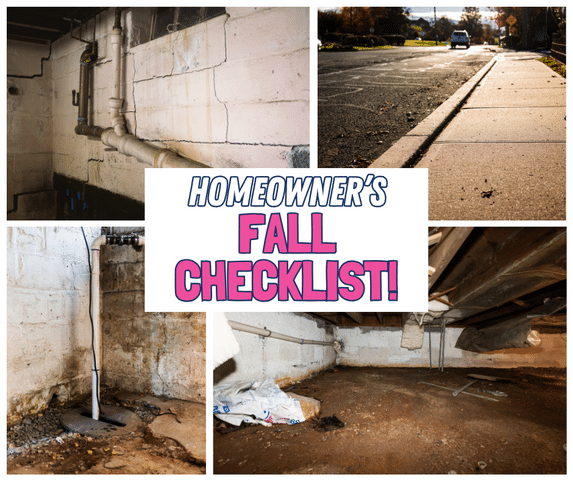
As summer comes to an end and temperatures begin to drop, fall is a great time to prepare your home for the wetter, colder months ahead. Small maintenance tasks around the house can help you catch potential problems early, especially when it comes to your basement, crawl space, foundation, and exterior drainage. Before the leaves are completely down and heavy fall rains arrive, take some time to walk around your property and check for areas that may need attention.
Check Your Gutters and Downspouts
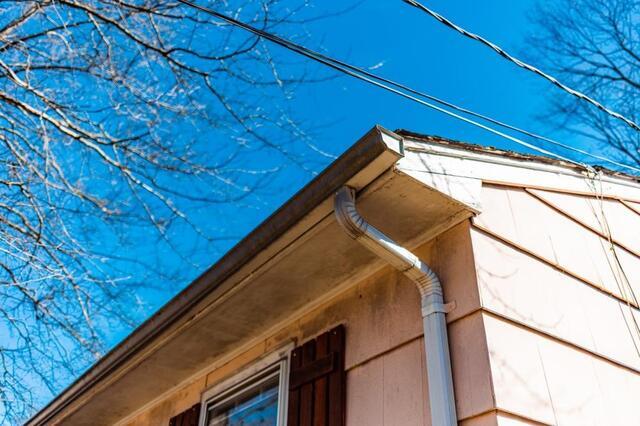
Falling leaves can quickly clog gutters and prevent rainwater from draining properly. When gutters overflow, water can collect near the foundation and increase the amount of moisture surrounding your home. Clean out leaves and debris, then make sure downspouts are directing water away from the foundation rather than dumping it directly beside the house.
Look for Foundation Cracks
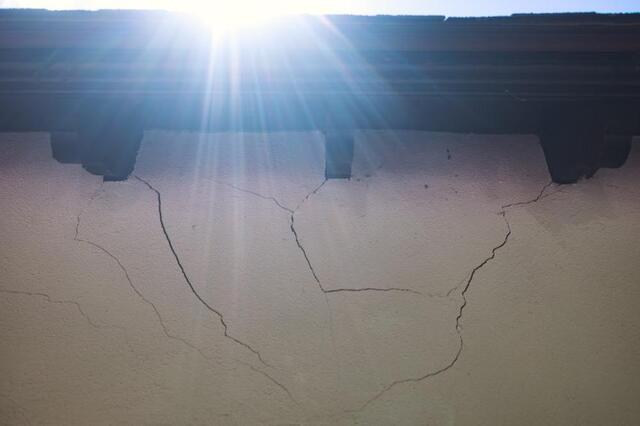
Fall is a good time to inspect exposed foundation walls for new or changing cracks. Pay attention to horizontal, vertical, and stair-step cracks, as well as areas where the foundation appears to be bowing or shifting. Not every crack indicates a serious structural problem, but noticeable changes are worth having evaluated before they become more difficult to address.
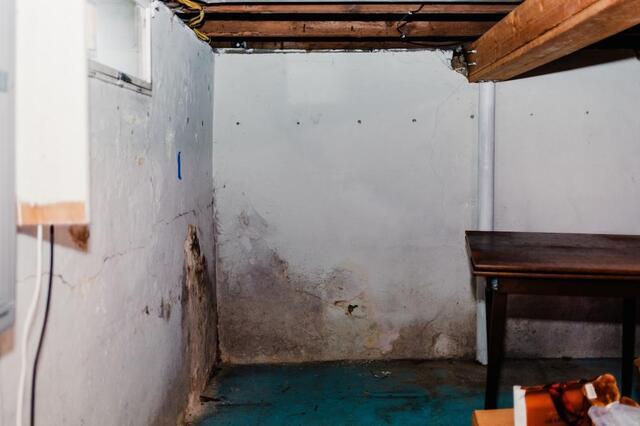
Check Your Basement for Signs of Water
Walk through your basement after a rainfall and look for damp spots, water stains, puddles, musty odors, or moisture around walls and floors. If water is entering through the foundation, fall is a good time to address it before winter weather creates additional challenges. An interior drainage system such as WaterGuard can provide a controlled path for water entering around the foundation and direct it toward a sump system.
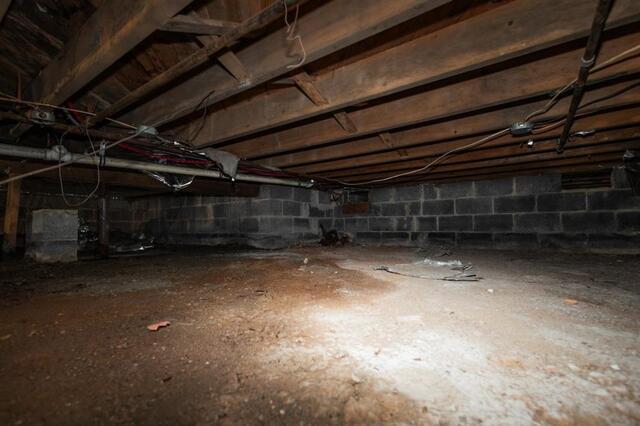
Don't Forget About Your Crawl Space!
Crawl spaces can be easy to overlook, but they are an important part of the home. Check for standing water, damp insulation, musty smells, exposed dirt, or excessive humidity. An exposed dirt floor can allow moisture vapor to enter the crawl space, contributing to a damp environment. Crawl space encapsulation systems such as our CleanSpace can help create a durable barrier between the ground and the crawl space while helping control moisture.
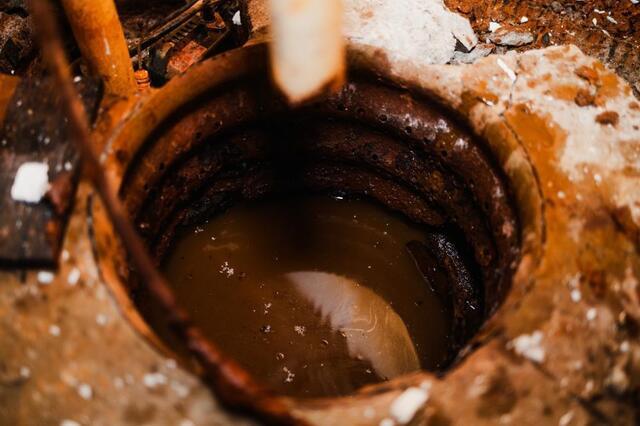
Test Your Sump Pump
Your sump pump can be one of the most important pieces of equipment in your basement during heavy rain. Before the wetter months arrive, make sure the pump is operating properly and that its discharge line is clear. If your basement relies on a single pump, it may also be worth discussing whether additional pumping protection is appropriate for your home.
Pay Attention to Basement Humidity
A basement can remain humid even when there is no obvious standing water. Excess humidity can contribute to musty odors and create an environment where moisture-related problems are more likely to develop. A basement or crawl space dehumidifier, such as our SaniDry Sedona, can help maintain a more controlled humidity level throughout the space
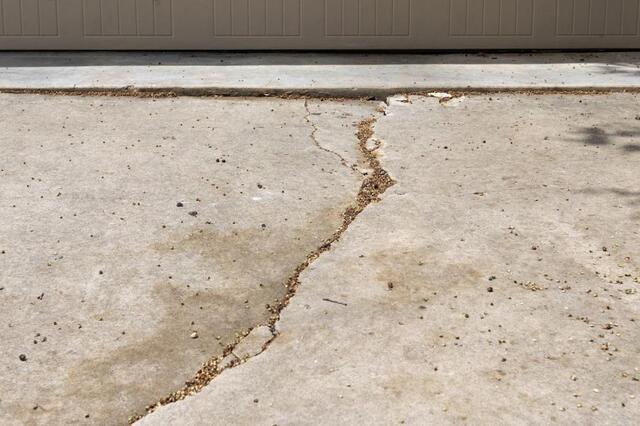
Check Your Concrete Before Winter
Take a look at your driveway, walkway, patio, and other concrete surfaces before freezing temperatures arrive. Settled slabs can create uneven surfaces where water collects, while cracks and open joints can allow water to reach areas beneath the concrete. Addressing these problems before winter can help reduce the opportunity for water to enter existing cracks and freeze.
Fall is an opportunity to make sure your home is ready for months of rain, freezing temperatures, and changing ground conditions. Taking a little time now to inspect your gutters, drainage, basement, crawl space, foundation, and concrete can help you identify potential problems before they become larger projects. If you notice recurring basement water, foundation cracks, crawl space moisture, or uneven concrete around your home, our team at Quality 1st Basement Systems can help identify the underlying problem and discuss potential solutions. A proactive inspection can give you a better understanding of what is happening around your home and what steps may be appropriate before winter arrives.