


How We Successfully Waterproofed a Basement in Newark, DE
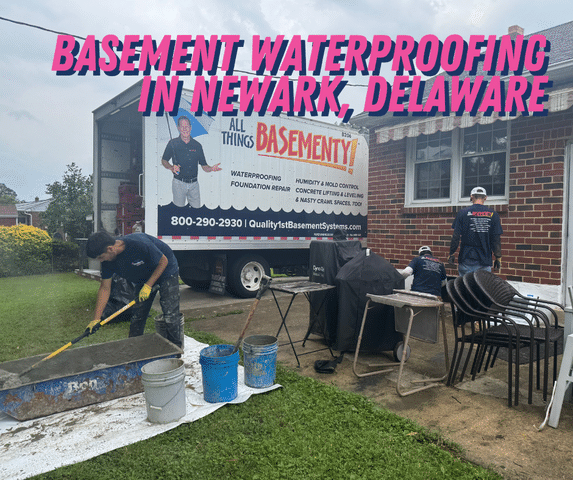
A sump pump is an important part of a basement waterproofing system, but having a newer sump pump does not necessarily mean a basement cannot still experience water problems. If water is continuing to appear in a basement, especially when the source is difficult to identify, the problem may involve moisture entering around the foundation walls, floor, windows, or other vulnerable areas. A complete waterproofing approach looks at how water is entering the space and how it can be collected and directed away from the basement. That was the challenge our team encountered during a recent basement waterproofing project in Newark, Delaware.
Understanding the Problem
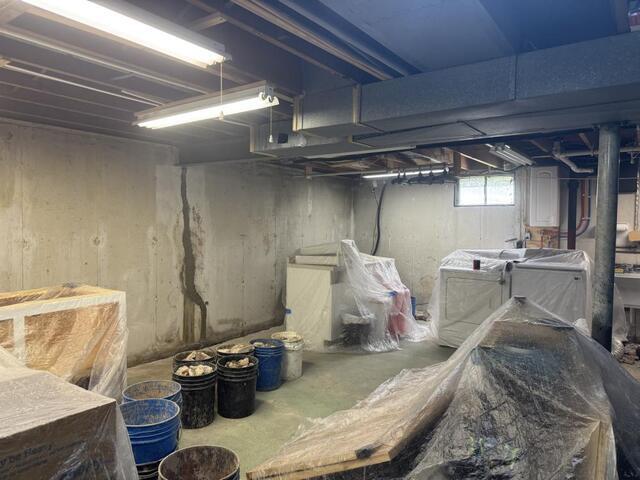
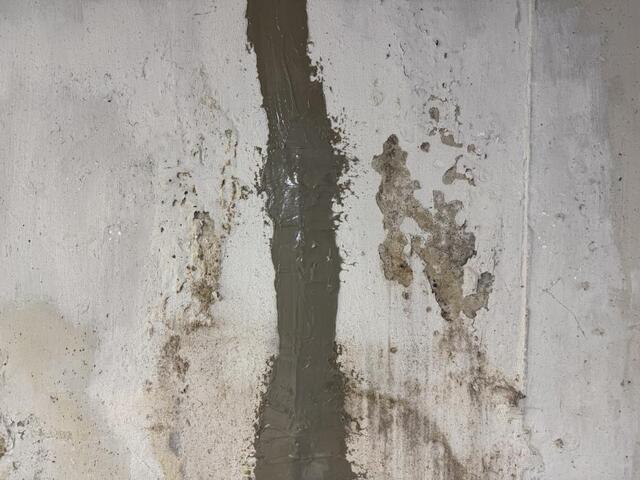
This Newark basement already had a newer sump pump, yet water was still making its way into the partially finished space. The basement also had existing rooms built throughout portions of the area, so installing a waterproofing system required careful planning. The concrete foundation walls were rough and showed visible cracking, while several older basement windows were rusted and leaking. Instead of focusing only on the sump pump, our team needed to create a way to manage water around the entire perimeter of the basement.
Preparing the Foundation Walls
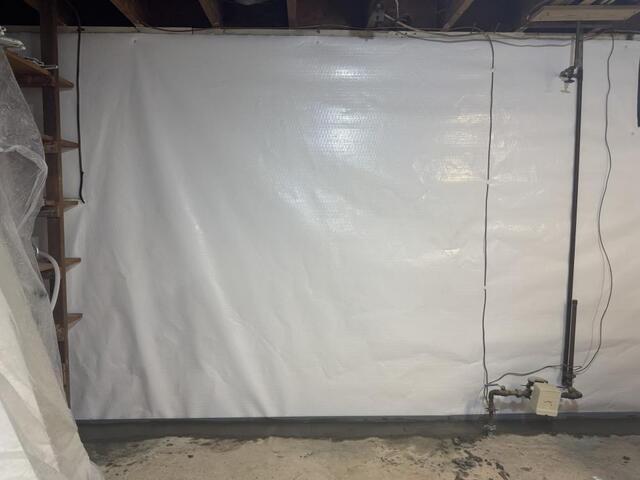
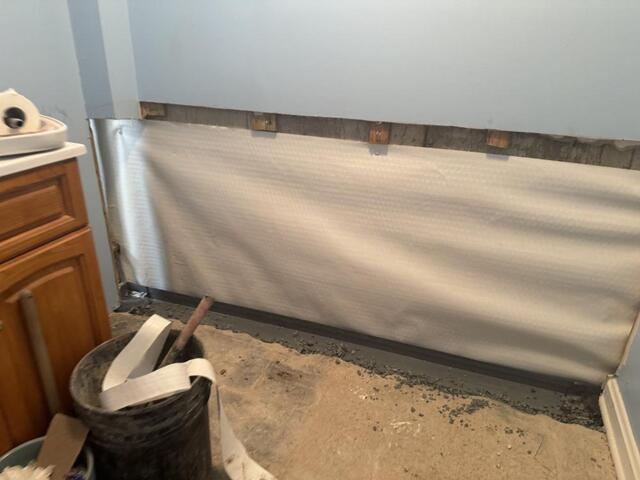
The first part of the waterproofing process was installing CleanSpace along the basement walls. CleanSpace is a durable vapor barrier designed to help separate the foundation from the interior basement environment. By covering the foundation walls, it helps control moisture and creates a cleaner, more finished appearance compared with exposed, rough concrete.
Installing the Drainage System
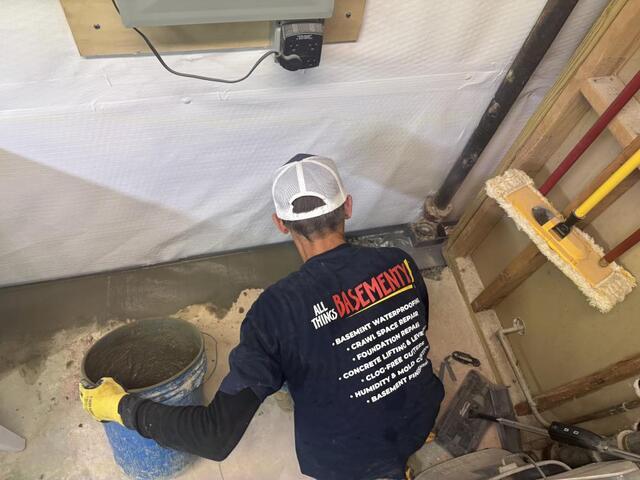
Once the CleanSpace was installed along the walls, our team installed WaterGuard around the entire perimeter of the basement. WaterGuard is an interior drainage system designed to collect water at the foundation and direct it toward the sump pump system. Installing drainage around the full perimeter allows the system to address water that may enter at different points around the foundation rather than relying on a single area to collect it.
Working Around Existing Finished Rooms
Partially finished basements can make waterproofing more complicated because the installation cannot simply be planned around an empty concrete floor. In Newark, our team had to work through the existing rooms and carefully incorporate the WaterGuard system into the basement's current layout. The goal was to create a continuous drainage path around the perimeter while minimizing disruption to the finished portions of the space.
Connecting the System to the Sump Pump
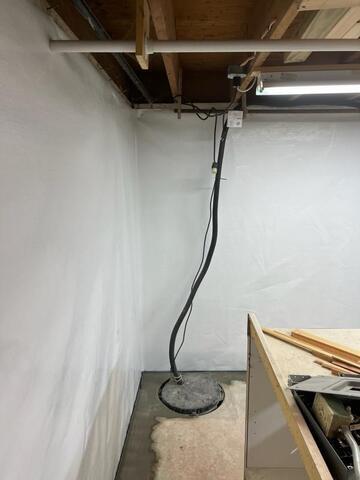
WaterGuard does not work alone. Once water is collected by the drainage system, it needs somewhere to go. In this project, the WaterGuard system was directed to the home's existing sump pump. Because the homeowner already had a newer pump, replacing it was not necessary for this particular waterproofing solution. Instead, the focus was on improving how water was collected and delivered to the pump.
Replacing Vulnerable Basement Windows
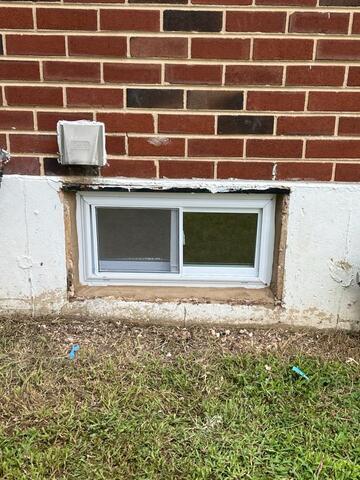
The foundation walls were not the only concern in this basement. Several older windows had become rusted and were allowing water to leak into the space. Our team replaced those windows with EverLast windows, providing a more durable window solution designed for basement environments. Addressing vulnerable openings like basement windows is an important part of looking at the entire waterproofing picture because even a properly installed drainage system cannot prevent rainwater from entering through a deteriorated window.
Creating a More Complete Waterproofing System
A dry basement often requires more than one component working independently. In this Newark project, CleanSpace helped address moisture along the foundation walls, WaterGuard created a dedicated drainage path around the perimeter, the existing sump pump provided the destination for collected water, and EverLast windows addressed the leaking basement openings. The finished result was a basement with a much more comprehensive approach to water management. Rather than simply replacing a sump pump that was already relatively new, our team addressed the way water was entering and moving through the space. For homeowners dealing with recurring basement water, understanding the entire system can be just as important as understanding the individual products involved.