

Why Basement Waterproofing Is WORTH IT: FAQ
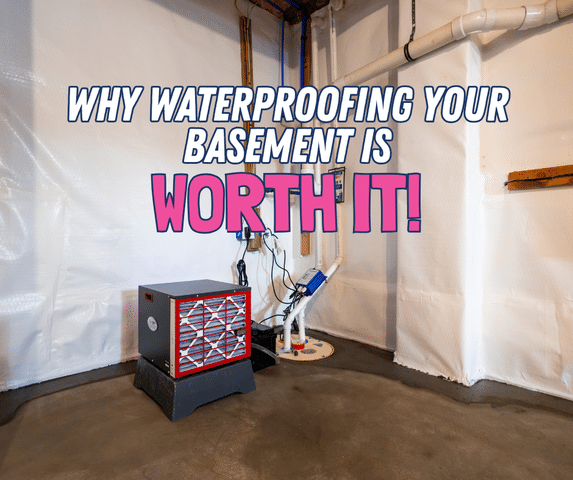
If you have ever looked at the price of basement waterproofing and thought, “Do I really need to spend that much money on this?” you are not alone. Waterproofing can feel like a major investment, especially when your basement is only dealing with occasional puddles, damp walls, or water during heavy rain. However, basement waterproofing is about much more than getting rid of a little water. A properly designed waterproofing system can help protect your home, reduce moisture problems, make your basement more usable, and potentially prevent small water issues from becoming much larger and more expensive problems. Here are some of the most common questions homeowners ask about whether basement waterproofing is actually worth it:
Is basement waterproofing really worth the money?
For many homeowners, yes. The value of waterproofing comes from what it helps protect. Water entering through your foundation can damage flooring, drywall, insulation, furniture, storage, and finished living spaces. Persistent moisture can also create conditions that encourage musty odors and microbial growth. A professional waterproofing system is designed to manage water at the foundation rather than simply reacting to it after it reaches the basement floor. Instead of repeatedly cleaning up puddles, replacing damaged belongings, running temporary equipment, or worrying every time a major storm approaches, waterproofing gives the home a long-term strategy for managing groundwater.
Why does my basement need waterproofing if it only leaks during heavy rain?
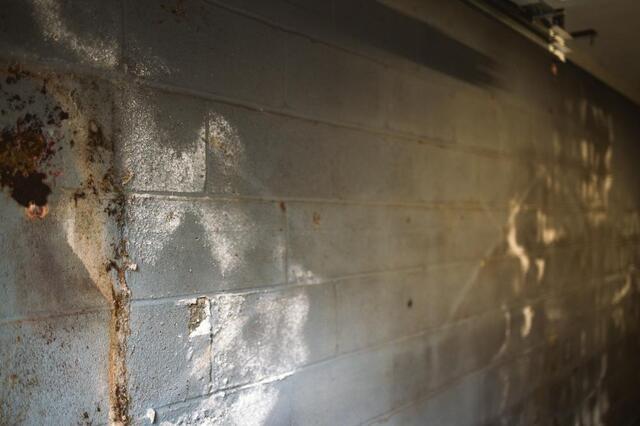
This is one of the biggest misconceptions about basement water. A basement does not have to flood every week for water intrusion to be a problem. Heavy rainfall can saturate the soil around a foundation and increase hydrostatic pressure against the foundation walls and floor. That pressure can force water through cracks, joints, porous masonry, or other vulnerable areas. In other words, an occasional leak can still be a warning sign. The fact that your basement stays dry during ordinary weather does not necessarily mean it will stay dry during the next major storm.
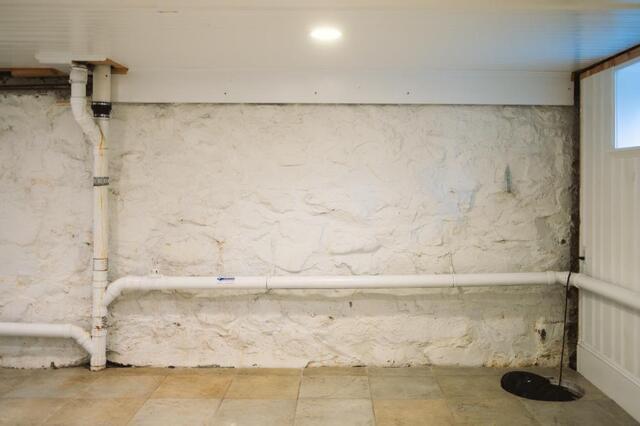
Can't I just use a dehumidifier?
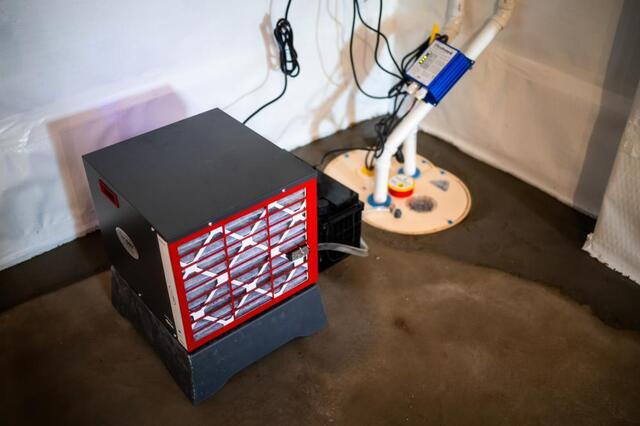
A dehumidifier can be extremely useful, but it does a different job from a waterproofing system. A dehumidifier helps control moisture in the air. It does not stop groundwater from entering through the foundation. Think of it this way: if water is coming through a foundation wall, a dehumidifier is not the solution to the water source. It can help manage the humidity that remains afterward, but the actual water intrusion needs to be addressed separately. That is why many comprehensive basement systems use both waterproofing and dehumidification when appropriate!
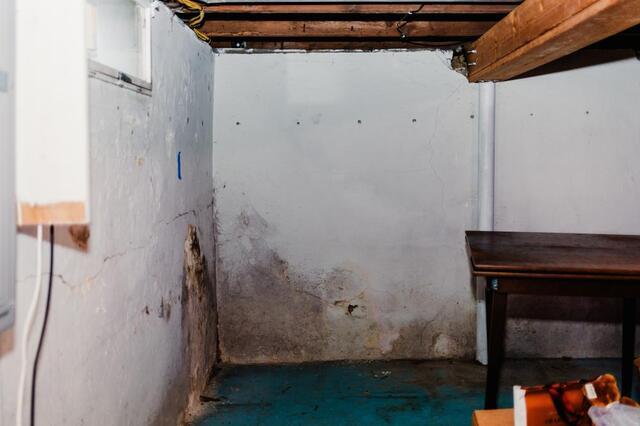
What happens if I ignore a small basement leak?
Sometimes, nothing dramatic happens immediately. That is what makes small leaks easy to ignore, but repeated moisture exposure can gradually affect materials and create increasingly difficult problems. Water can damage finished walls and flooring, soak stored belongings, contribute to unpleasant odors, and create persistently damp conditions. Foundation leaks can also become more noticeable as drainage conditions, soil moisture, or foundation movement change. Fixing a water problem while it is manageable can be much easier than dealing with the aftermath of years of recurring moisture.
Isn't exterior waterproofing better than interior waterproofing?
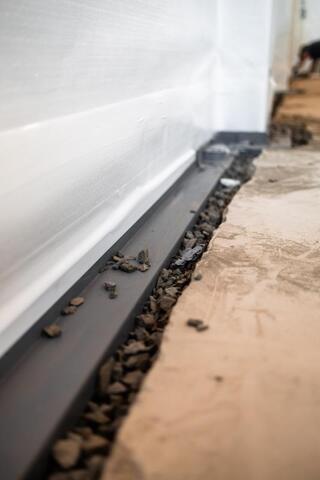
Not necessarily. Exterior waterproofing can be an appropriate solution in certain circumstances, but it generally involves excavating around the foundation to access the exterior wall. That can mean significant excavation, landscaping disruption, and additional labor. Interior drainage systems can address groundwater after it reaches the foundation perimeter by collecting it and directing it toward a sump pump. The right approach depends on the construction of the home, the source of the water, the condition of the foundation, and the homeowner's goals. A professional free estimate appointment from our team can help determine which approach makes the most sense.
Does basement waterproofing increase my home's value?
It can make a home more attractive to buyers, particularly when the basement is clean, dry, and usable. Water intrusion is something prospective buyers may notice during an inspection, and a history of basement leaks can raise concerns about future maintenance and potential damage. A documented waterproofing system can provide evidence that the homeowner has proactively addressed water concerns.
Can waterproofing make my basement more usable?
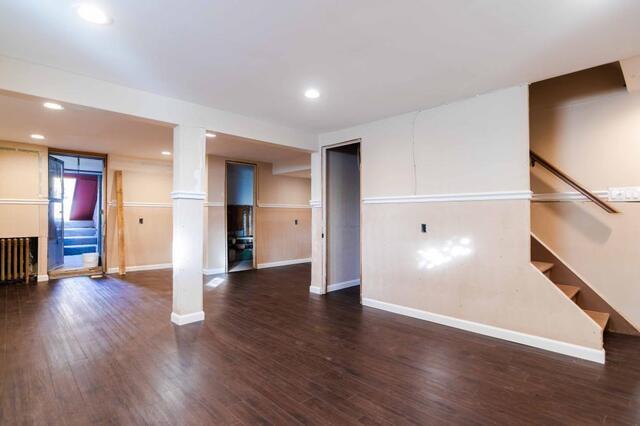
Absolutely! A dry basement has far more potential than a basement that regularly becomes damp or flooded. Once water intrusion is properly managed, homeowners may be able to use the space for storage, a home gym, hobby area, laundry space, office, or finished living space, depending on the home's construction and local requirements. Even an unfinished basement can benefit from staying dry because stored belongings and building materials are less exposed to recurring moisture.

What does a complete basement waterproofing system include?
Every home is different, so there is no single system that works for every basement.
A comprehensive system may include components such as:
- WaterGuard drainage system: Helps collect groundwater around the perimeter of the basement and direct it toward a sump pump.
- SuperSump: A primary sump pump system designed to efficiently remove collected groundwater.
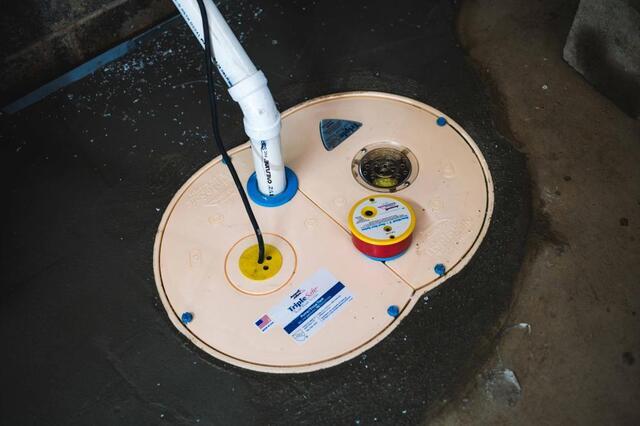
- TripleSafe Sump: A three-pump sump system that provides multiple levels of pumping protection.
- IceGuard: Helps protect sump discharge lines from becoming blocked by freezing temperatures.
- CleanSpace: A durable vapor barrier designed to help control moisture and improve the appearance of basement and crawl space walls.
- SaniDry Sedona: A basement dehumidifier designed to help control excess humidity in below-grade spaces.
Not every basement needs all of these products. The goal is to build a system around the home's specific water and moisture problems.
Why is a sump pump so important?
A sump pump is often the final step in an interior waterproofing system. Drainage systems collect groundwater, but that water still needs somewhere to go. The sump pump removes the collected water from the home and sends it through the discharge system. This is also why sump pump maintenance matters. A pump can sit quietly for weeks or months and then suddenly be asked to move a significant amount of water during a storm.
Is waterproofing worth it if I plan to finish my basement?
In many cases, waterproofing is even more important before finishing a basement. Finished walls and flooring can make future repairs considerably more disruptive and expensive. If you finish the basement first and discover significant water intrusion later, you may have to remove portions of the finished space to access the problem. Addressing known water issues before investing in drywall, flooring, furniture, and other improvements can help protect that investment.
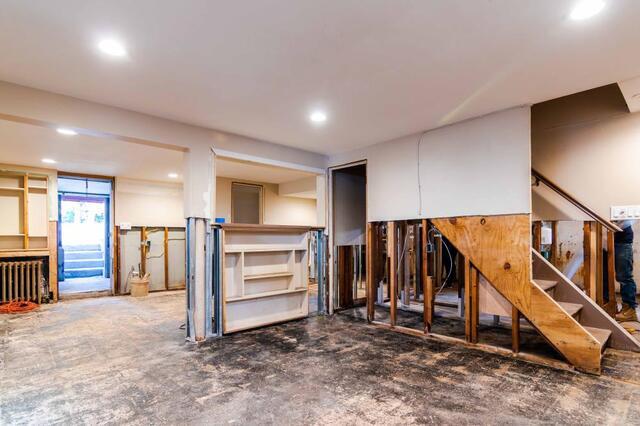
Basement waterproofing is not about buying the biggest system or installing every available product. It is about identifying where water is coming from and creating a reliable way to manage it. For some homes, that may mean a drainage system and sump pump. Others may need additional pumping capacity, backup protection, vapor-barrier technology, dehumidification, or a combination of solutions. If your basement only leaks occasionally, that does not mean the problem should automatically be ignored. Recurring water is information about how your home is responding to groundwater and rainfall.