


How We Waterproofed a Damp Basement in Pennsauken, NJ
 Pennsauken, NJ - Image 1" width="469" height="393">
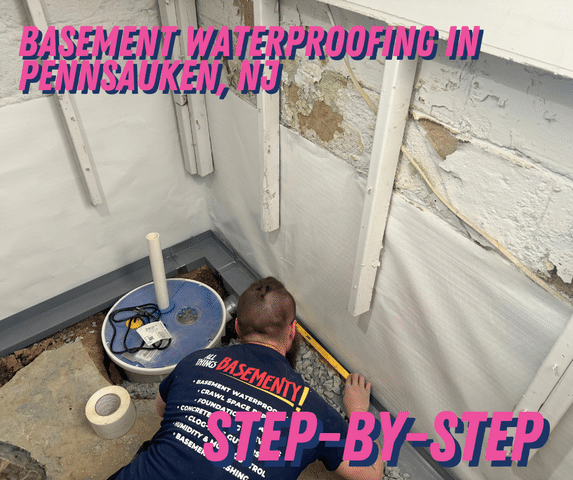
Basement water problems can quickly turn a usable space into a damp, unhealthy environment. In a recent project in Pennsauken, NJ, our team helped a homeowner eliminate ongoing water intrusion by installing a proven interior waterproofing system. Here’s a step-by-step look at how the process works:
Step 1: Identifying the Problem
The homeowner noticed that their basement would become damp after heavy rain. Signs like peeling paint and deteriorating materials indicated that water was consistently entering the space. This is often caused by water pressure building up around the foundation, forcing moisture through small openings in the walls and floor.
Step 2: Professional Inspection
Our System Design Specialist, John, conducted a detailed inspection to determine exactly where the water was entering and how it was affecting the structure. This step is critical, as every home has unique conditions that require a tailored solution.
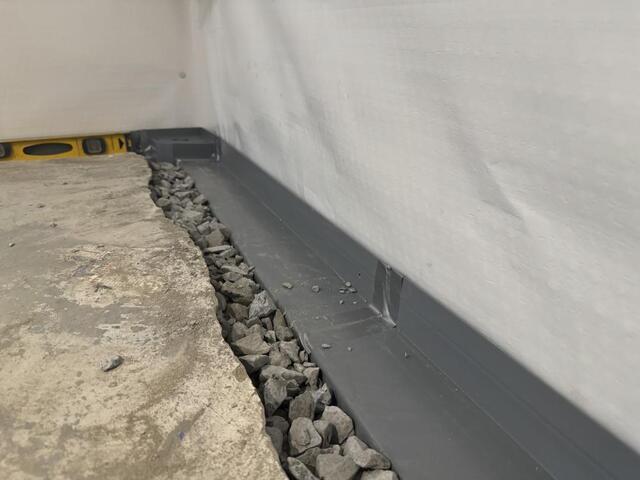
Step 3: Installing the WaterGuard Drainage System
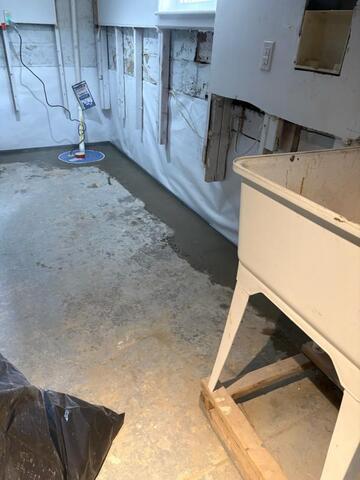
To control the water, our team installed our WaterGuard system along the basement perimeter. This system sits just above the footing and collects water before it reaches the floor. Once collected, the water is directed toward a sump pump system.
Step 4: Installing the SuperSump Pump System
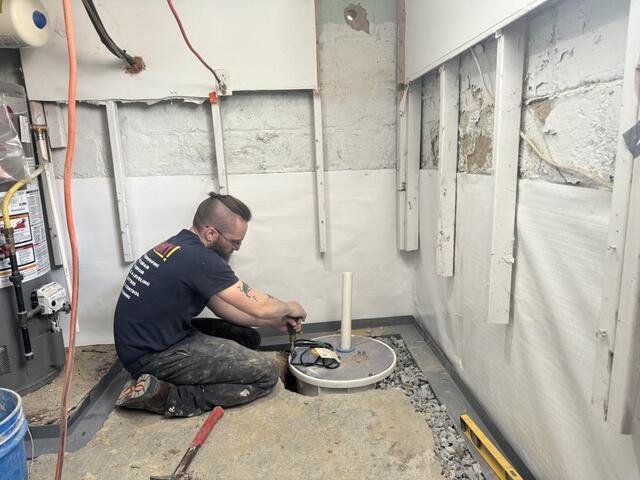
Next, our SuperSump pump was installed to handle the removal of collected water. This system is designed to pump water efficiently out of the basement and away from the home.
Step 5: Restoring the Basement Floor
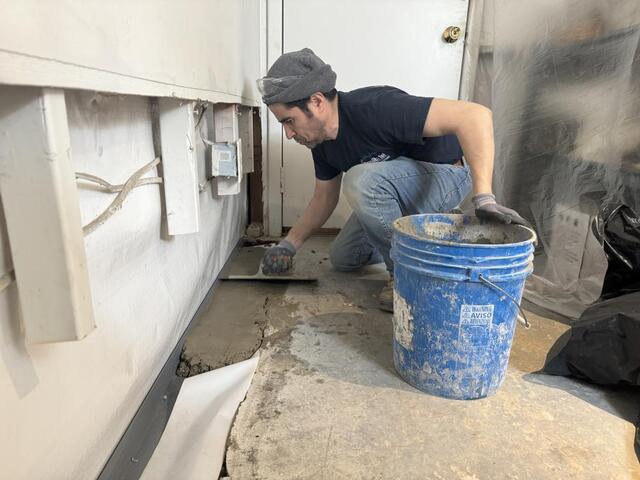
After the systems were installed, the trench was sealed with fresh concrete, leaving the basement with a clean and finished appearance.
Step 6: A Dry, Protected Basement
With both systems working together, the basement is now protected from future water intrusion. Water is intercepted, redirected, and removed before it can cause damage!
Why Interior Waterproofing Works
Interior systems like WaterGuard and SuperSump are highly effective because they manage water after it reaches the foundation, rather than trying to block it entirely from the outside. This ensures consistent, long-term protection even during heavy rain.