

Springtime Humidity: Why Your Home Feels Damp as the Weather Warms Up
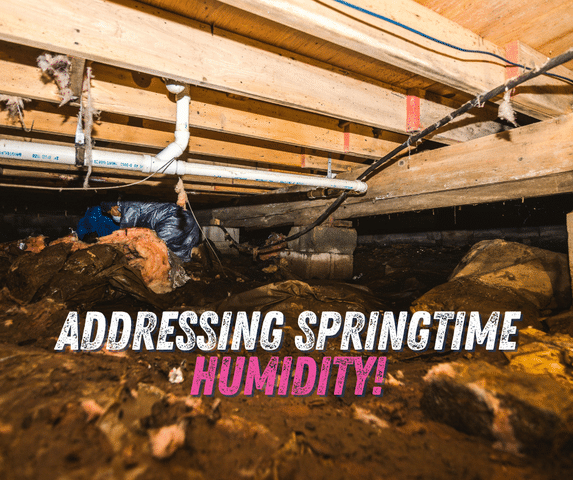
As March rolls in and temperatures begin to rise, many homeowners start noticing something unusual inside their homes: more humidity. Even though winter is ending, basements and crawl spaces often become damp, musty, or uncomfortable during early spring. This seasonal shift is extremely common, and understanding why it happens can help you protect your home from moisture problems, mold growth, and poor indoor air quality.
Why Humidity Increases in Spring
When outdoor temperatures begin to warm up, the air can hold more moisture than it could during the cold winter months. Snowmelt, spring rainstorms, and thawing soil all add even more moisture to the environment around your home.
This moisture often finds its way inside through:
-
Foundation walls
-
Basement floors
-
Crawl spaces with exposed dirt
-
Small cracks in concrete or block walls
-
Open vents
Because basements and crawl spaces are naturally cooler than the rest of the home, warm humid air that enters these spaces can condense on cold surfaces. This is why many homeowners suddenly notice damp walls, musty odors, or increased humidity as soon as the weather changes.
Signs Spring Humidity Is Affecting Your Home
Spring moisture problems often start subtly but can grow worse if ignored. Some common warning signs include:
-
Musty odors in the basement or crawl space
-
Damp or sweating walls and floors
-
Mold spots on stored items or drywall
-
Increased allergy symptoms indoors
-
Warped wood or peeling paint
-
A general “clammy” feeling in the air
Because air naturally rises through a home (a process known as the stack effect), moisture in the basement or crawl space can actually impact the air quality throughout the entire house.
Why Basement and Crawl Space Humidity Matters
Many homeowners assume that moisture in basements or crawl spaces is harmless, but prolonged humidity in these areas can lead to a variety of serious problems over time. When humidity levels climb above about 60%, conditions become ideal for mold growth, allowing spores to develop on surfaces like wood, drywall, and stored items. Persistent moisture can also lead to structural concerns, as wooden framing, floor joists, and subfloors may weaken or deteriorate when exposed to damp conditions for long periods. In addition, humid air tends to feel warmer and heavier, which can force air conditioning systems to work harder and drive up energy bills. Beyond these physical effects, excess moisture can also impact the health of the home’s indoor environment. Musty odors and airborne mold spores from damp basements or crawl spaces can circulate upward through the home, contributing to poor indoor air quality. Addressing humidity early is essential to preventing these issues from developing into larger and more costly problems.
The Role of a High-Performance Dehumidifier
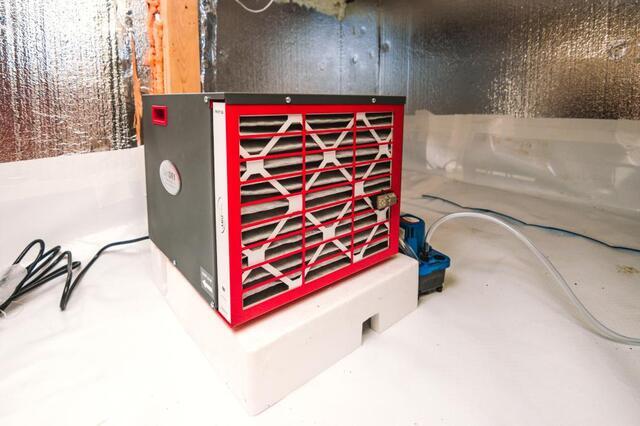
One of the most effective ways to control springtime humidity is with a high-performance basement dehumidifier. Unlike small portable units, professional systems are designed to handle the unique conditions of basements and crawl spaces. A great example is our SaniDry Sedona, a powerful dehumidification system designed specifically for below-grade spaces.
The SaniDry Sedona helps homeowners by:
-
Removing up to 100 pints of moisture per day
-
Maintaining healthy humidity levels automatically
-
Filtering mold spores, dust, and allergens from the air
-
Draining automatically so you never have to empty a bucket
Because it’s compact and energy efficient, it can quietly control moisture while improving the overall air quality of the home.