

Interior vs. Exterior Waterproofing: Why Interior Solutions Are Often the Better Choice
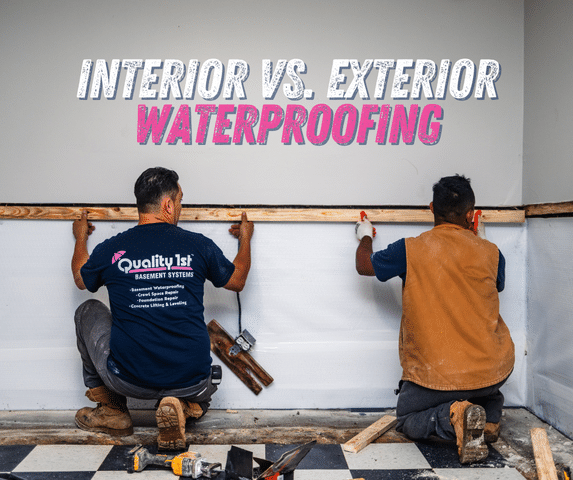
When homeowners discover water in their basement or crawl space, one of the first questions they ask is whether they need interior or exterior waterproofing. While both methods aim to control water intrusion, interior waterproofing systems are often the more effective, practical, and reliable solution for long-term protection. Understanding the difference between the two can help homeowners make a smarter investment in their home.
What Is Exterior Waterproofing?
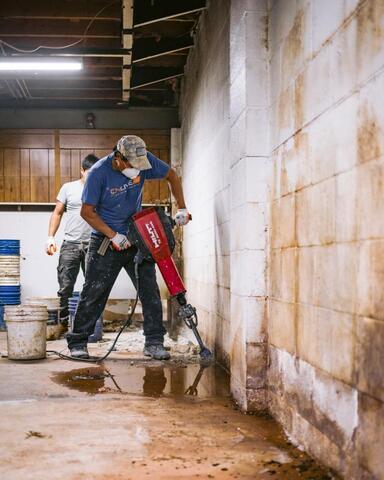
Exterior waterproofing typically involves excavating around the outside of the foundation to expose the walls. Contractors may apply waterproof coatings, install exterior drainage systems, or attempt to seal cracks from the outside. The goal is to block water before it reaches the foundation. While this approach sounds logical in theory, it comes with several major drawbacks.
Exterior waterproofing is extremely disruptive. It requires heavy excavation equipment, removal of landscaping, and sometimes breaking up driveways, patios, or sidewalks. It is also significantly more expensive and time-consuming than interior solutions. Even more importantly, exterior waterproofing does not address the natural reality that concrete is porous and soil conditions constantly change. Over time, exterior membranes can fail, shift, or deteriorate, allowing water to find new pathways into the basement.
What Is Interior Waterproofing?
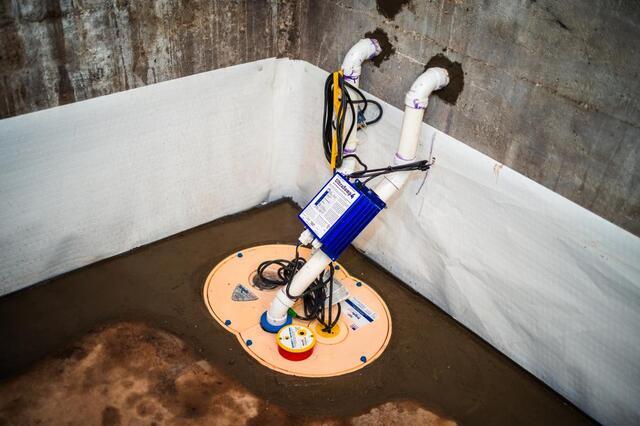
Interior waterproofing focuses on managing water after it enters the foundation, rather than trying to fight against natural water pressure from the outside. These systems are designed to control, collect, and redirect groundwater safely away from the basement. Interior drainage systems, like our WaterGuard system, are installed along the perimeter of the basement floor to capture water at the wall and floor joint, which is the most common entry point. The water is then directed to a sump pump system and discharged safely away from the home. Instead of trying to stop water completely, interior waterproofing works with gravity and pressure to manage it efficiently.
Why Interior Waterproofing Works Better
One of the biggest advantages of interior waterproofing is that it relieves hydrostatic pressure. When soil becomes saturated, water pushes against the foundation. Exterior systems try to block this pressure, while interior systems allow water to enter in a controlled way and immediately redirect it. By relieving pressure, interior systems protect both the structure and the living space.
It Addresses the Real Entry Points
Most basement leaks do not come from the middle of foundation walls. They come from the joint where the wall meets the floor, small cracks, porous concrete, and around utility penetrations. Interior systems are installed exactly where water actually enters, making them far more effective. Exterior systems often miss these internal pathways entirely.
It Is Less Disruptive
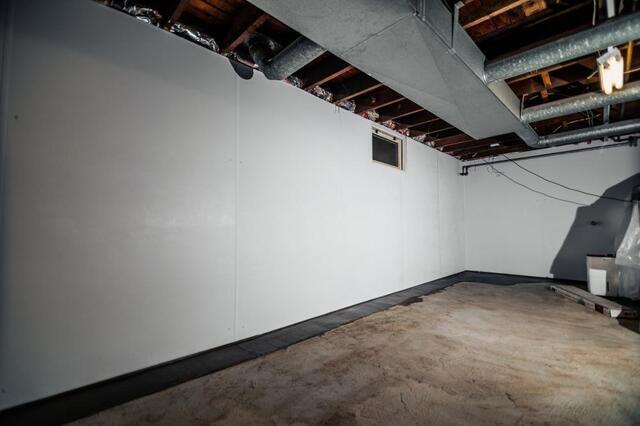
Interior waterproofing does not require digging up your yard, driveway, or landscaping. All work is performed inside the basement or crawl space, which means faster installation, less mess, and no damage to exterior property. This makes interior waterproofing ideal for finished basements, tight property lines, or homes with limited outdoor access.
It Is More Reliable Long-Term
Interior systems are protected from outdoor elements like soil movement, tree roots, freeze-thaw cycles, and erosion. Because they are inside the home, they are easier to inspect, maintain, and service if needed. Exterior systems are buried underground, making future repairs difficult and costly.
It Is More Cost-Effective
In most cases, interior waterproofing delivers better performance at a significantly lower cost. Homeowners avoid excavation expenses while gaining a system that actively manages water rather than hoping to block it forever. Interior solutions also scale easily, meaning additional protection can be added if conditions change.
The Bottom Line
Exterior waterproofing tries to stop water. Interior waterproofing controls it. Interior systems work with natural forces instead of against them. They relieve pressure, target real entry points, protect the structure, and provide long-term reliability without tearing up your property. At Quality 1st Basement Systems, we specialize in professional interior waterproofing solutions that are designed to keep basements and crawl spaces dry, healthy, and protected year-round. If your home is experiencing water issues, an interior system is often the most effective path to permanent peace of mind. Contact our team for a FREE ESTIMATE today!