

What Is Hydrostatic Pressure and How Does It Affect Your Basement?
If you have ever experienced water leaking into your basement or crawl space, one of the main causes is something called hydrostatic pressure. While it may sound like a technical term, hydrostatic pressure is actually a very common force that affects many homes, especially during heavy rain or snowmelt. Understanding what hydrostatic pressure is and how it works can help homeowners recognize why water problems occur and what can be done to prevent them.
What Is Hydrostatic Pressure?
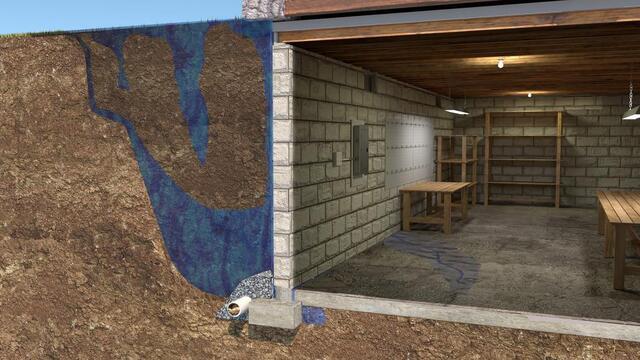
Hydrostatic pressure is the pressure created by standing or moving water when it builds up in the soil surrounding your home’s foundation. When the ground becomes saturated from rain, melting snow, or poor drainage, water fills the spaces between soil particles. As more water accumulates, it becomes heavier and begins to press against anything in its path, including your foundation walls and basement floor. In simple terms, hydrostatic pressure is the force of water pushing against your home.
Why Hydrostatic Pressure Causes Basement Leaks
Home foundations are strong, but they are not completely waterproof. Over time, tiny pores, cracks, and joints naturally develop in foundation materials. When hydrostatic pressure builds up, water looks for the easiest way to relieve that pressure. This often means forcing its way through cracks in basement walls, the joint where the wall meets the floor, or around window wells and utility penetrations. The more saturated the soil becomes, the greater the pressure. This is why basements often leak during prolonged rainstorms or during snowmelt season when the ground cannot absorb water fast enough.
How Hydrostatic Pressure Can Damage Your Home
Hydrostatic pressure does more than just cause wet floors. Over time, the constant force of water pressing against your foundation can lead to structural problems. Foundation walls may begin to bow or crack, concrete can deteriorate, and persistent moisture can create ideal conditions for mold and mildew. In crawl spaces, hydrostatic pressure can lead to standing water, high humidity, wood rot, and poor indoor air quality. Because air moves upward, moisture problems below your home can affect living spaces, contributing to musty odors, cold floors, and increased energy costs.
When Hydrostatic Pressure Is Most Common
Hydrostatic pressure is most noticeable during periods of heavy rain, rapid snowmelt, or when drainage systems around the home are not functioning properly. Clogged gutters, short downspouts, poor grading, and compacted soil all make it easier for water to collect around the foundation instead of draining away. Homes located in low-lying areas or regions with high water tables are especially vulnerable.
How to Manage Hydrostatic Pressure
The most effective way to manage hydrostatic pressure is to give water a controlled path away from your foundation. Interior drainage systems, like our WaterGuard, collect groundwater before it can enter your basement and direct it to a sump pump system for safe removal. For crawl spaces, encapsulation systems seal out ground moisture and control humidity, preventing water from building up beneath the home. Rather than trying to stop water with surface sealants or temporary fixes, professional waterproofing systems focus on relieving pressure and managing water at its source.
Why Professional Solutions Matter
Hydrostatic pressure is a natural force that cannot be eliminated, but it can be controlled. If your basement or crawl space shows signs of water intrusion, musty odors, or foundation cracks, it is likely that hydrostatic pressure is already affecting your home. At Quality 1st Basement Systems, our specialists are trained to identify how water is interacting with your foundation and design customized solutions that permanently manage hydrostatic pressure. Addressing the issue early helps protect your home’s structure, air quality, and long-term value. Contact us today for a FREE estimate!